1/2

Promoted
Greater Accra, Korle Gonno, 2 hours ago
1 views
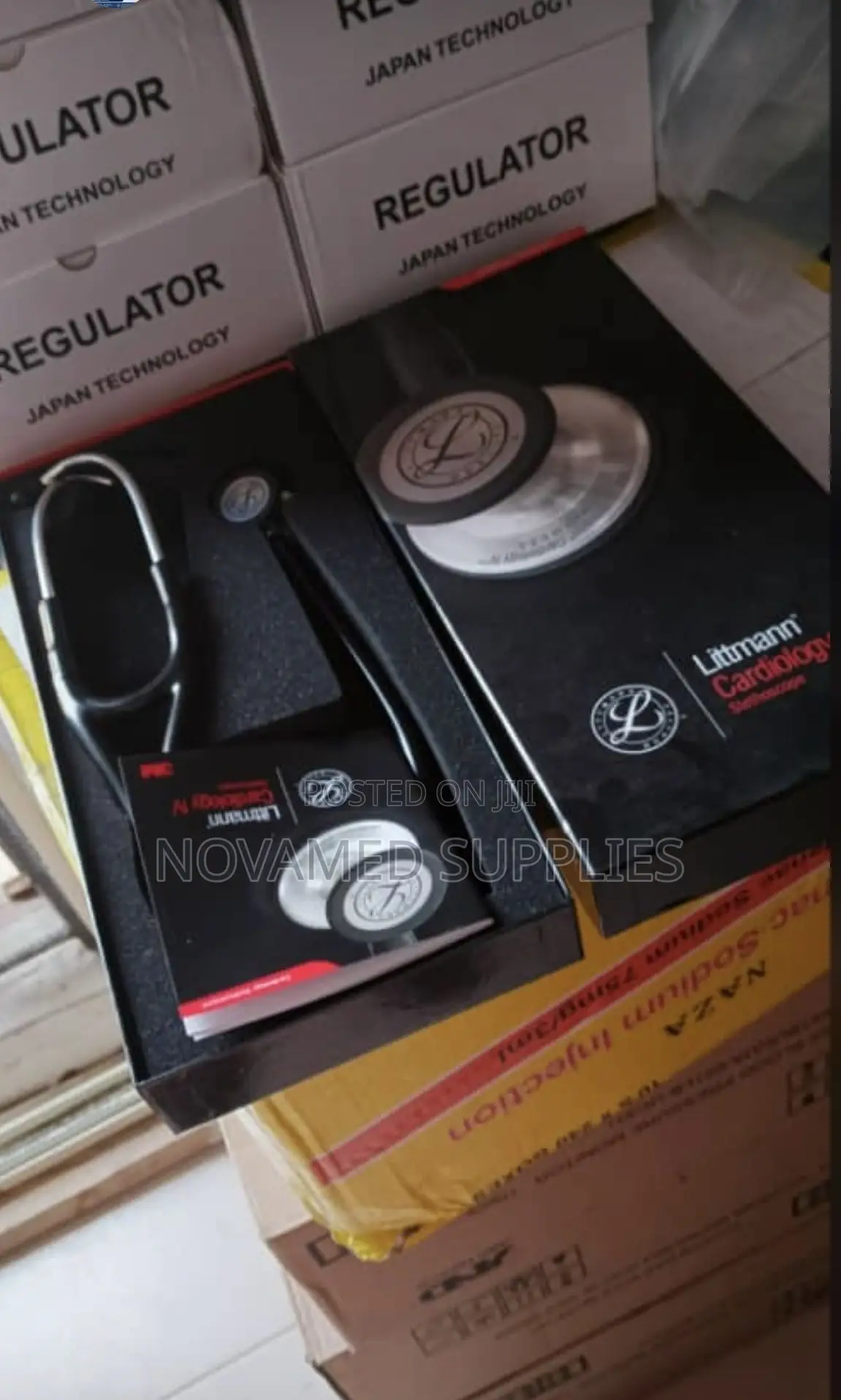
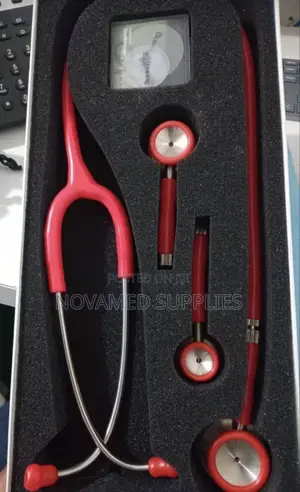
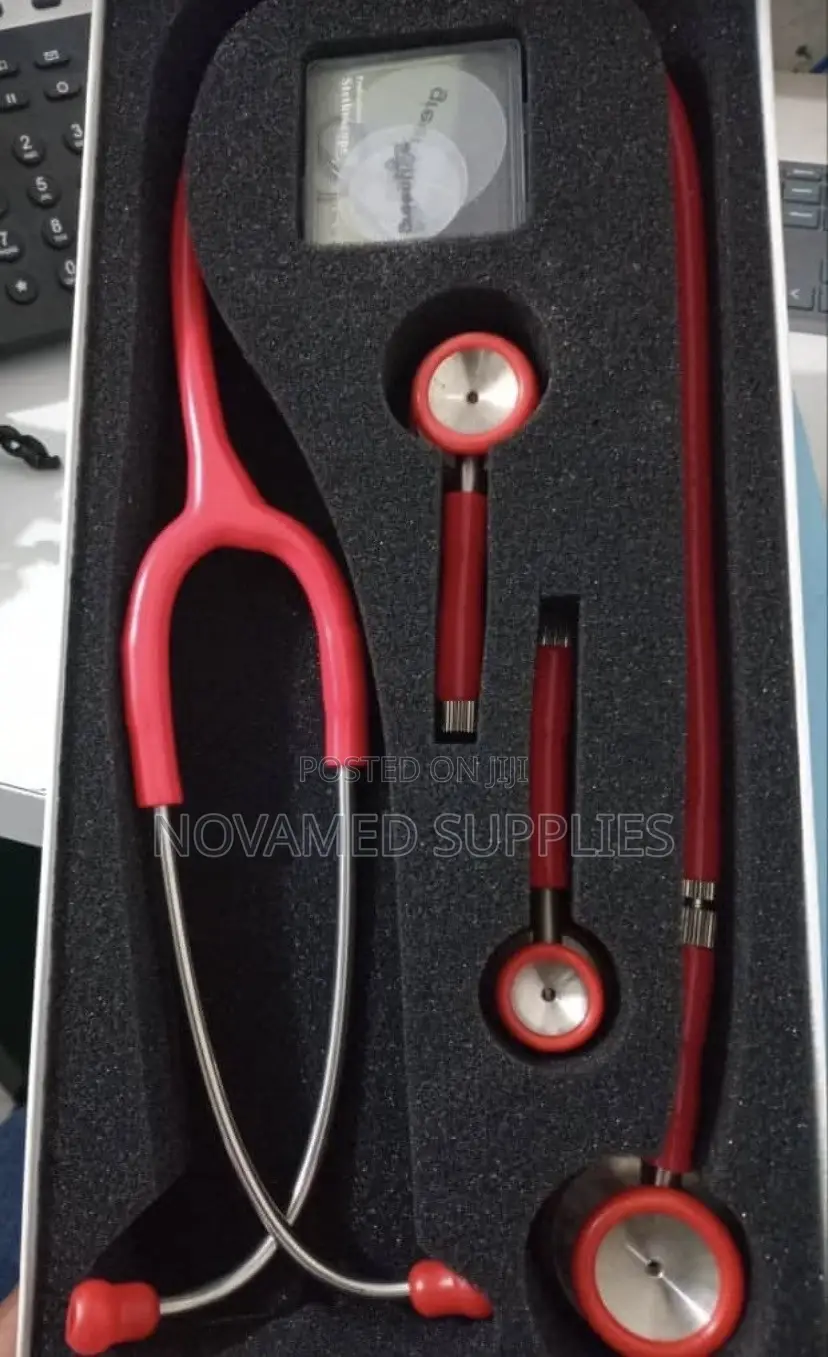
Sethoscope
Stethoscopes
Type
Brand New
Condition
* Listening to heart sounds — helps detect abnormal heart rhythms, murmurs, and other cardiac sounds.
* Listening to lung sounds — useful for detecting wheezing, crackles, and reduced breath sounds.
* Checking blood pressure when used with a blood-pressure cuff.
* Assessing bowel sounds during abdominal examination.
* Used for general physical examinations and patient assessment.
* Particularly useful in cardiology, hospitals, clinics, emergency care, and general medical practice.
GH₵ 260
Fixed priceSafety tips
- Avoid paying in advance, even for delivery
- Meet with the seller at a safe public place
- Inspect the item and ensure it's exactly what you want
- Make sure that the packed item is the one you've inspected
- Only pay if you're satisfied