Enterprise
Promoted
Greater Accra, Korle Gonno, 3 hours ago
5 views
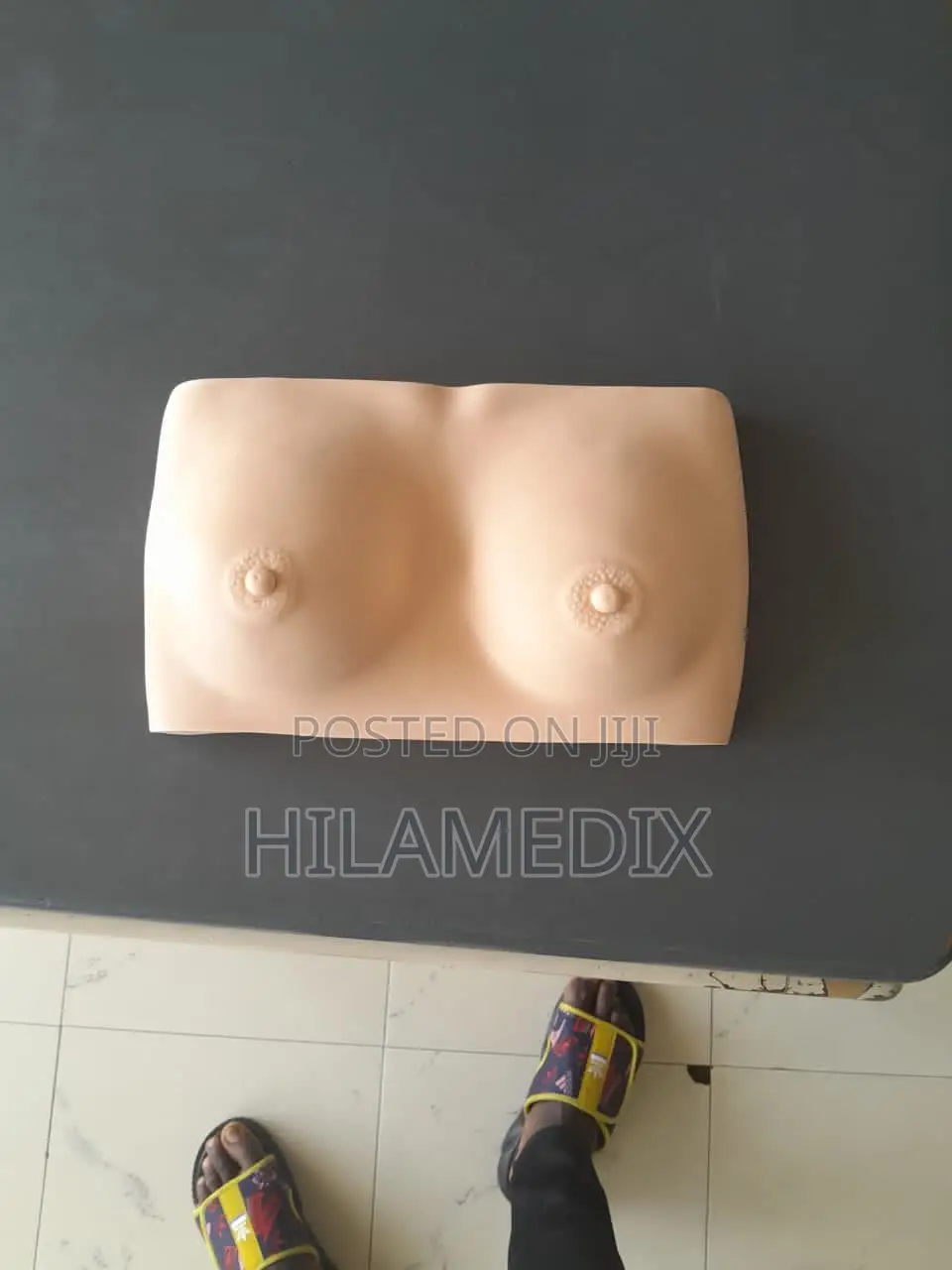
Breast Examination/Bse
Training Sets, Models & Manikins
Type
Brand New
Condition
These types of models are primarily used for medical training and public health education. Here's a breakdown of their uses:
* **Teaching Self-Examination:** They help individuals learn how to perform breast self-exams correctly, familiarizing them with the normal feel of breast tissue and how to identify potential lumps or abnormalities. Many models contain palpable (feelable) lumps of varying sizes and textures to simulate different conditions like cysts, fibroadenomas, and cancerous tumors.
* **Clinical Training:** Medical students, nurses, and other healthcare professionals use these models to practice clinical breast examinations, developing their palpation skills to detect subtle changes in breast tissue.

Safety tips
- Avoid paying in advance, even for delivery
- Meet with the seller at a safe public place
- Inspect the item and ensure it's exactly what you want
- Make sure that the packed item is the one you've inspected
- Only pay if you're satisfied