Enterprise
Promoted
Greater Accra, Airport Residential Area, 1 hour ago
3 views
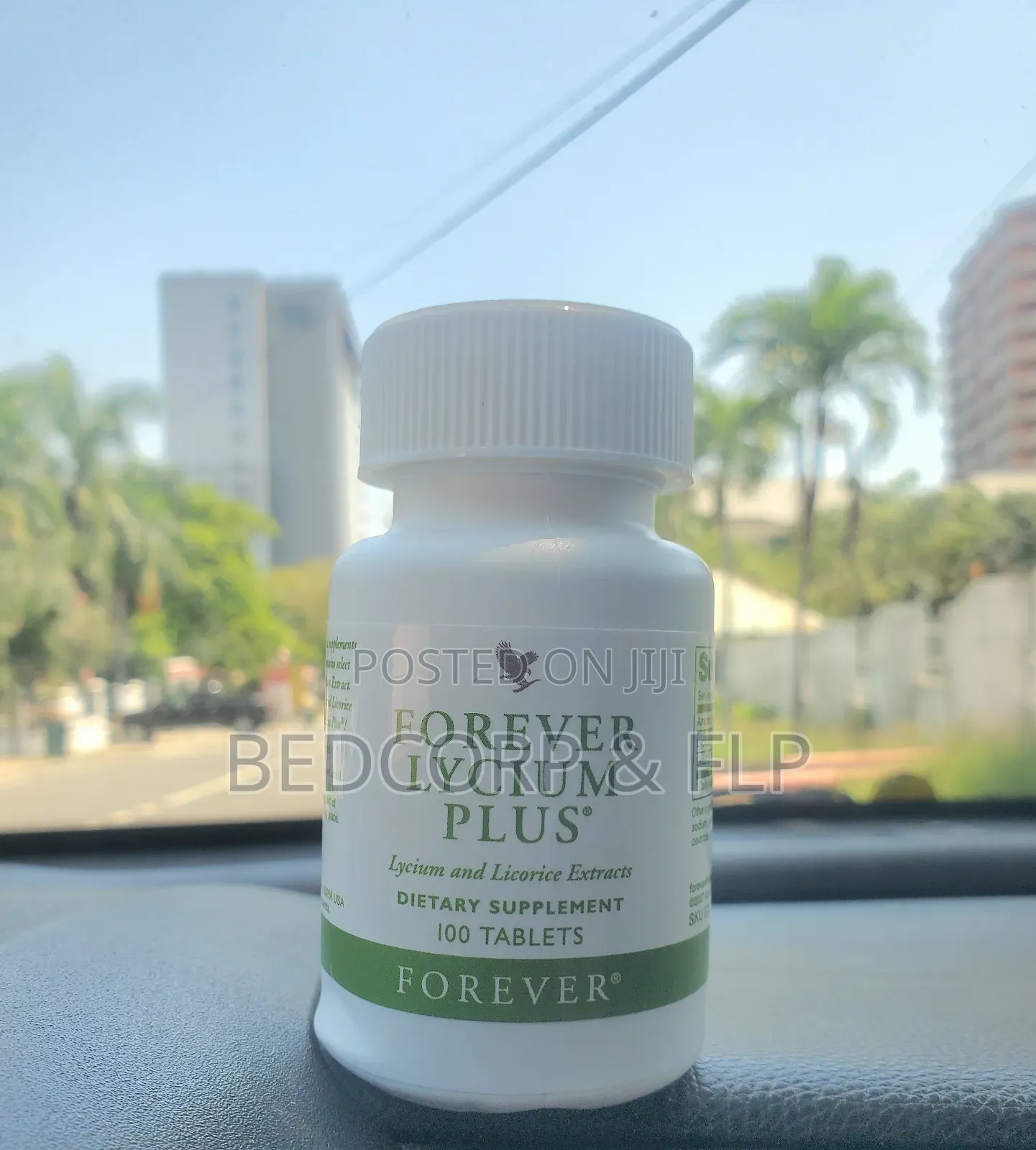
Lycium For Liver Liver And Renal Function
Forever Living
Brand
Liver Supplements
Type
Lycium barbarum (Goji)
Active Ingredients
Tablets
Formulation
All
Gender
Baby
Age Group
Unflavored
Flavor
All Natural, No Artificial Flavors, Organic, Gluten-Free
Features
After Meal
When to Take
Bottle
Package
Lycium (goji berries) is traditionally used to support liver and kidney function, and research suggests it may help protect these organs from damage
The primary active components, Lycium barbarum polysaccharides (LBPs) and glycopeptides (LbGp), are believed to offer benefits through antioxidant, anti-inflammatory, and other protective effects in the liver and kidneys. For instance, LBPs have been shown to improve renal function in diabetic models by reducing inflammation and damage markers, while also protecting the liver from ethanol-induced damage by boosting antioxidant levels.
Supports against hyperuricemia: LBPs may help protect the kidneys from damage caused by high uric acid levels.
Protective effects
Antioxidant support
Reduces inflammation
Protects Kidney

Safety tips
- Avoid paying in advance, even for delivery
- Meet with the seller at a safe public place
- Inspect the item and ensure it's exactly what you want
- Make sure that the packed item is the one you've inspected
- Only pay if you're satisfied