
1/3

Greater Accra, Accra Metropolitan, 23/07
37 views
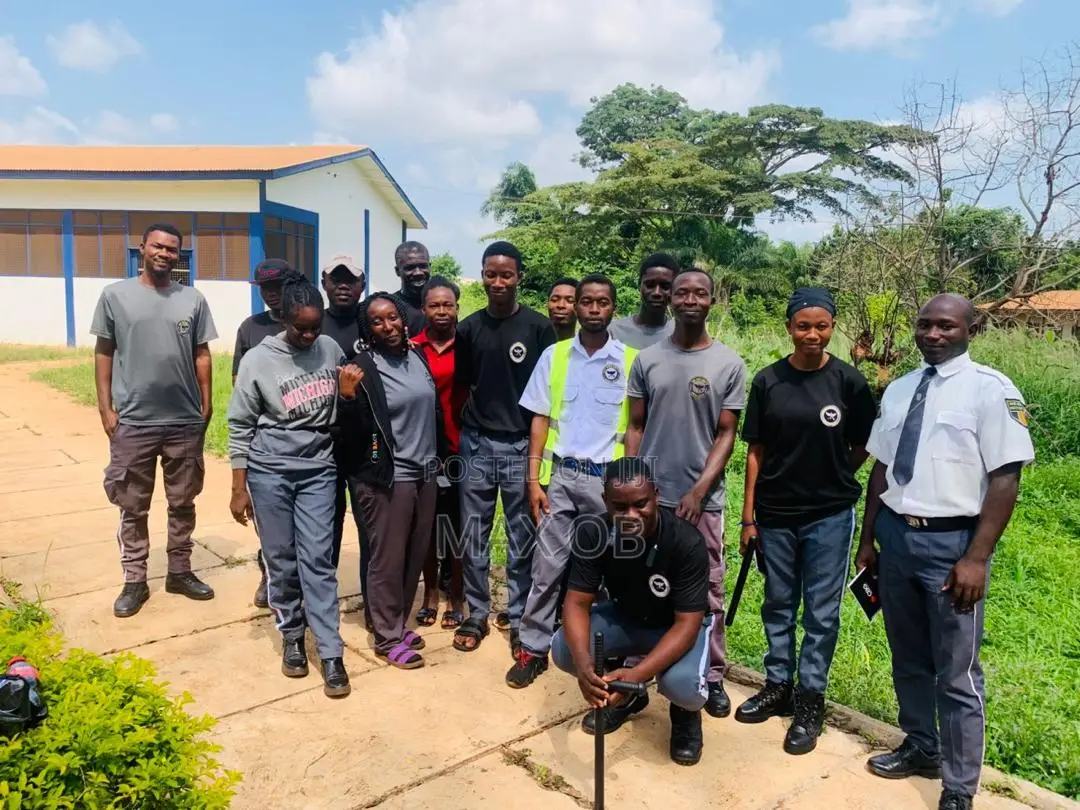
360 Security Company Limited
Company Name
Ghana 360 security
Job Type
Full-Time
Application Deadline
Available
Responsibilities
1. Surveillance and Vigilance
• Patrolling: Regularly walking or driving around the premises to check for signs of intrusion, unlocked doors, or safety hazards.
• Monitoring: Watching CCTV feeds and alarm systems to detect suspicious activity in real-time.
• Access Control: Managing entry points, verifying IDs, and ensuring only authorized personnel or visitors enter the building.
2. Incident Response and Management
• Emergency Reaction: In the event of a fire, medical emergency, or security breach, guards are often the first responders. They direct evacuations and provide basic first aid if trained.
• De-escalation: Handling agitated individuals or trespassers using verbal communication to resolve conflicts without physical force whenever possible.
• Requesting Backup: Knowing when to call the police, fire department, or paramedics to handle situations beyond their scope.
3. Reporting and Communication
• Daily Logs: Keeping a detailed record of observations, including any unusual occu
Requirements & Skills
• legal status: must be a citizen or have a valid work permit.
• background check: a clean criminal record is almost always mandatory. You will likely undergo fingerprinting and a thorough history check.
• licensing (sia, guard card, etc.): most places require a government-issued security license, which often involves completing a certified training course and passing an exam.
• education: a high school diploma or ged is the standard minimum.
2. Essential hard skills
these are the technical abilities needed to perform the daily tasks of the job:
• surveillance tech: proficiency with cctv systems, alarm panels, and digital logging software.
• first aid & cpr: many employers require certification in basic life support (bls) to handle medical emergencies until paramedics arrive.
• report writing: the ability to write clear, objective, and grammatically correct incident reports that could be used in a court of law.
• physical fitness: the stamina to stand for long periods, walk several mil
Minimum Qualification Requirements
Education: a high school diploma or ged equivalent is the standard minimum requirement.
• legal status: you must be a citizen or have a valid work permit/visa for the country where you intend to work.
• criminal record: a clean background check is mandatory. Significant criminal convictions, particularly those involving violence, theft, or fraud, are usually disqualifying.
2. Regulatory licensing (the "guard card")
in most regions, it is illegal to work as a guard without a government-issued license.
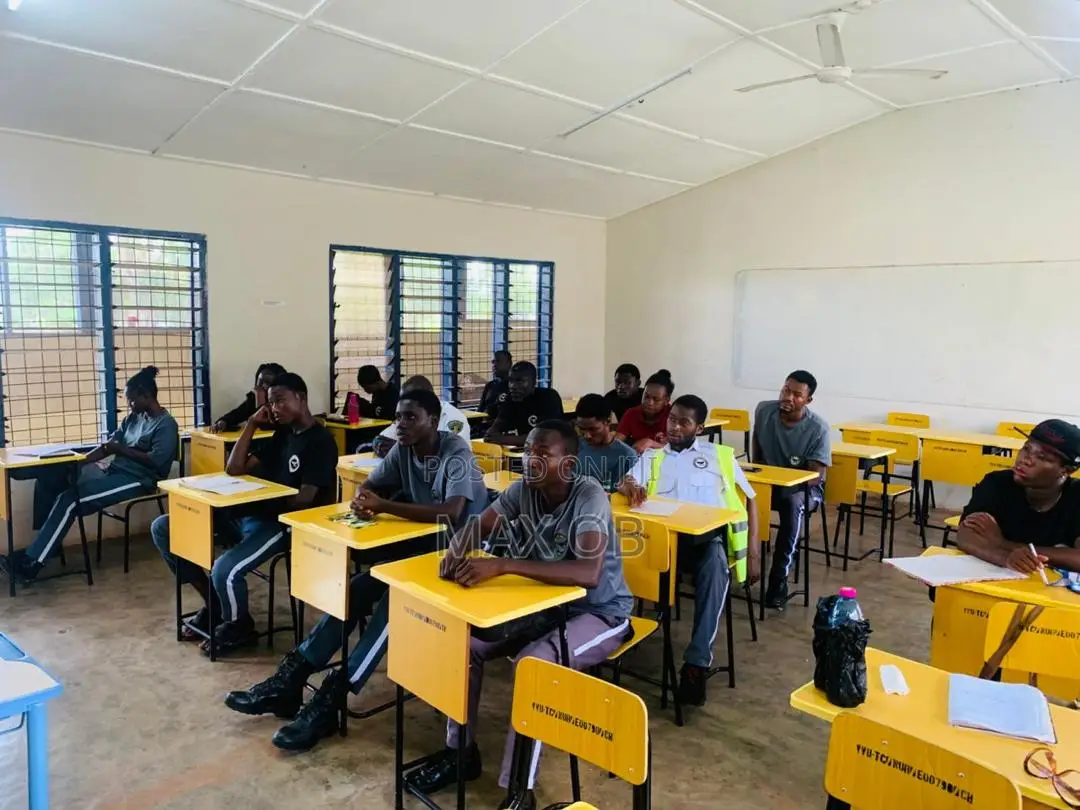
• mandatory training: you must complete a certified training course (usually 8–40 hours). This covers legal powers, arrest authority, and emergency procedures.
• fingerprinting: most jurisdictions require you to submit fingerprints to national databases (like the fbi in the us or the dbs in the uk) for a deep background check.
• testing: you must pass a written exam at the end of your training to prove you understand the laws governing your role.
3. Physical & health standards
because the
Minimum Experience
1 year
Job Title: Security Guard (Static or Patrol)
Primary Objective
To maintain a safe and secure environment for customers and employees by patrolling and monitoring premises and personnel. The guard acts as the first line of defense against theft, violence, and safety hazards.
Core Duties & Responsibilities
• Surveillance: Conduct regular foot or vehicle patrols to prevent and detect signs of intrusion and ensure the security of doors, windows, and gates.
• Monitoring: Operate and monitor CCTV systems and fire/burglar alarm panels to identify suspicious activity or equipment malfunctions.
• Access Management: Control traffic at entry points, verify employee/visitor credentials, and issue guest badges.
• Emergency Response: Act as a first responder in emergencies and coordinate with local law enforcement or emergency services.
GH₵ 800 - 1,000

Safety tips
- Don't pay fees for applying/interviewing
- Avoid going for an interview at an unofficial office address
- Do your research and check info about the company
- Never disclose personal info before you get a job offer