Enterprise
Promoted
Greater Accra, Accra Metropolitan, 2 hours ago
17 views
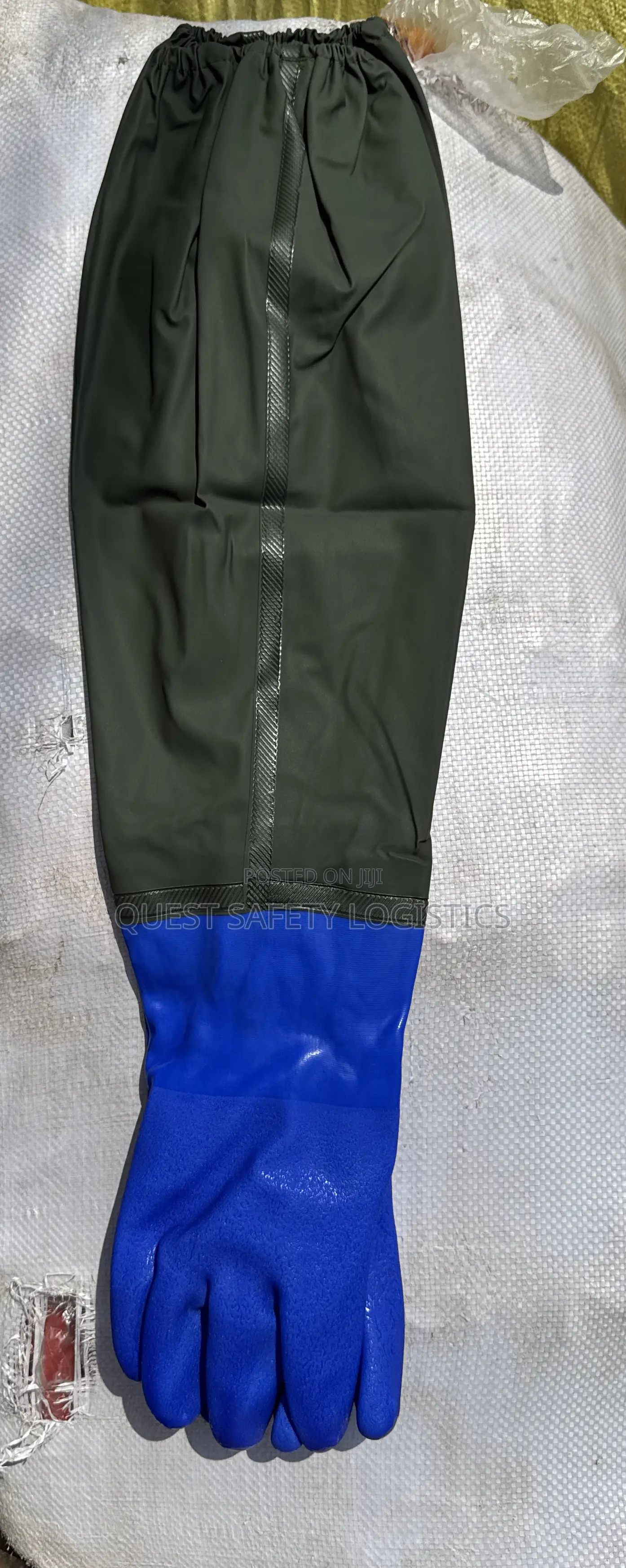
Long Chemical Resistant Hand Gloves
Safety Gloves & Sleeves
Type
Brand New
Condition
Vaultex
Brand
Other
Material
Store address
Greater Accra • Accra Metropolitan
Accra, Arena station near blackpark
Open now
• Mon - Sat, 07:30-17:00
Length: The "long" aspect refers to the extended cuff that goes past the wrist, protecting the forearm from splashes and spills.
Chemical resistance: They are specifically designed to resist permeation, penetration, and degradation from various chemicals, solvents, acids, and alkalis.
Material: Common materials include nitrile, PVC, neoprene, and latex, chosen based on the specific chemical being handled. Thicker gloves generally offer greater resistance.
Construction:
Double-layer: An outer layer provides chemical protection, while an inner layer adds comfort and support.
Single-layer: A simpler construction that provides chemical protection without a separate inner layer.
Fit and dexterity: They are available in various sizes to ensure a comfortable and secure fit, which is crucial for maintaining dexterity while working.
Safety tips
- Avoid paying in advance, even for delivery
- Meet with the seller at a safe public place
- Inspect the item and ensure it's exactly what you want
- Make sure that the packed item is the one you've inspected
- Only pay if you're satisfied