3X Diamond
1/2
Promoted
Greater Accra, Accra Metropolitan, 1 hour ago
3 views
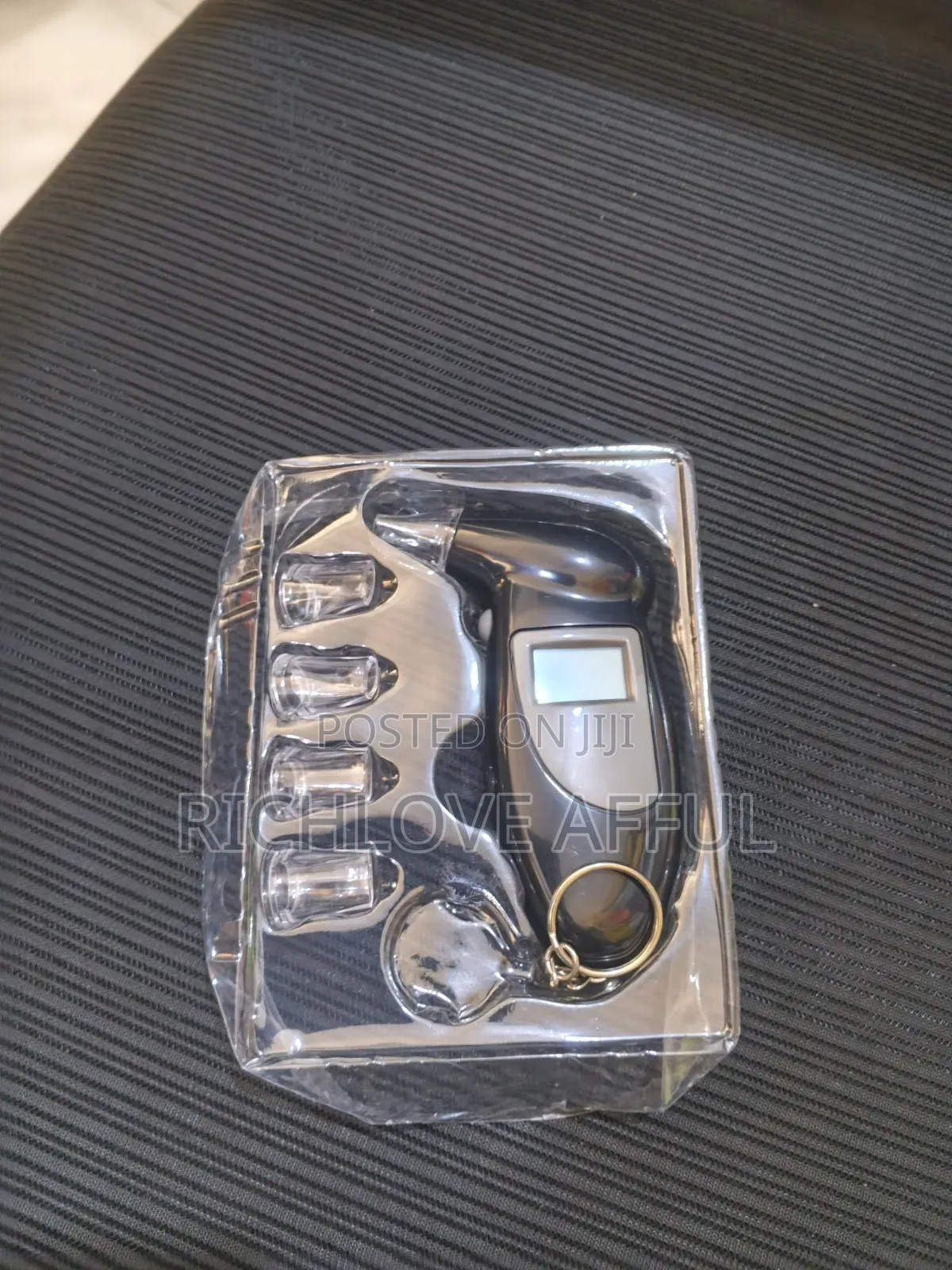
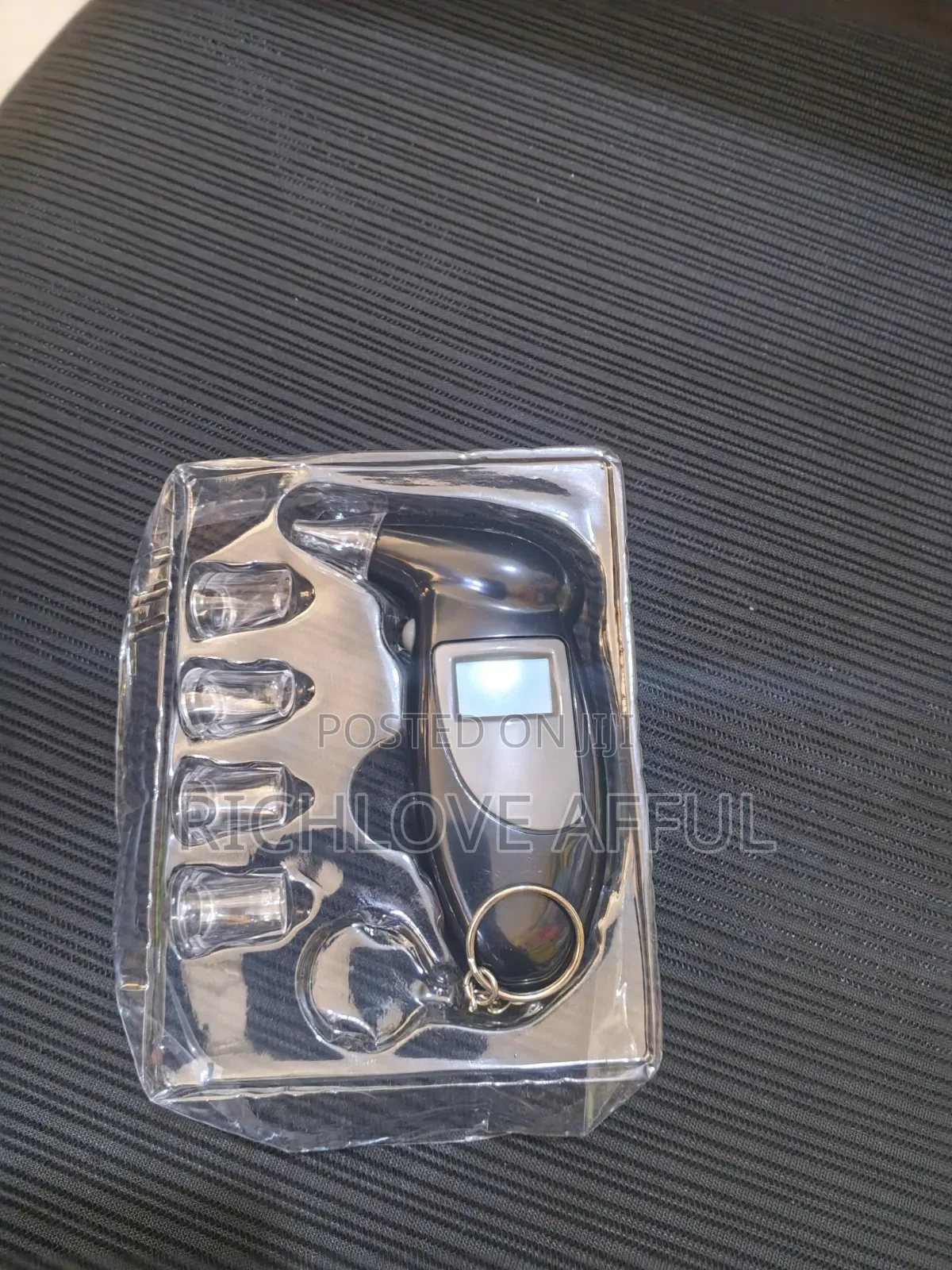
Breathalyzer
Breathalyzer
Type
Brand New
Condition
Vaultex
Brand
• Semiconductor Sensors: Most common in low-cost consumer devices. They use an internal tin-oxide sensor that changes electrical resistance when alcohol touches it. They are affordable but can occasionally give false positives from substances like acetone or cigarette smoke.
• Fuel Cell Sensors: The gold standard used by police and professionals. They measure alcohol through a chemical process that oxidizes the alcohol in the breath sample, generating an electrical current. The stronger the current, the higher the BAC. They are highly accurate and specific to alcohol.

Safety tips
- Avoid paying in advance, even for delivery
- Meet with the seller at a safe public place
- Inspect the item and ensure it's exactly what you want
- Make sure that the packed item is the one you've inspected
- Only pay if you're satisfied