Enterprise
1/2
Promoted
Greater Accra, Accra Metropolitan, 54 min ago
189 views
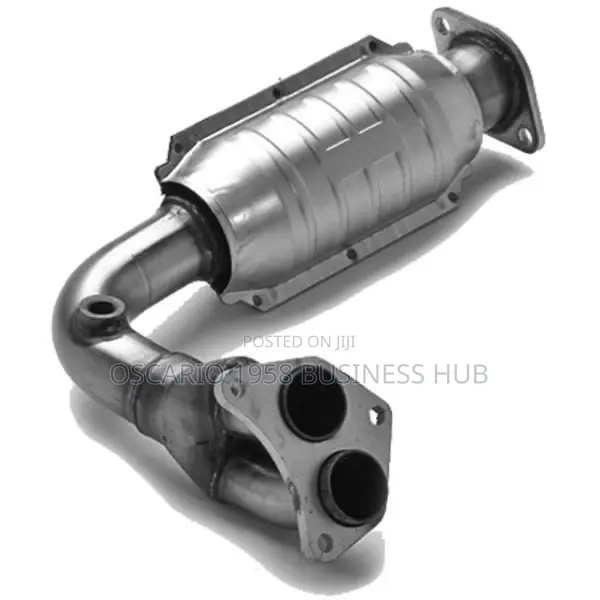
Complete Catalytic Converter for All Cars
Used
Condition
Other Make
Make
Other Model
Model
Other
Type
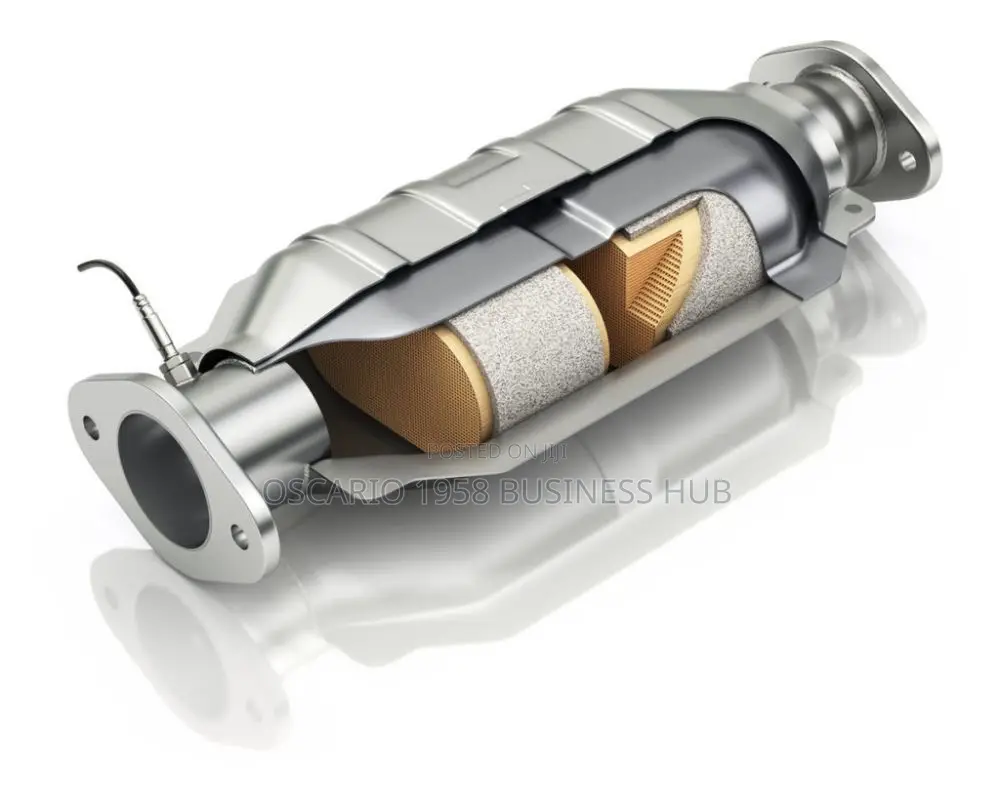
A catalytic converter is an emissions control device in a vehicle's exhaust system that transforms toxic gases—carbon monoxide, nitrogen oxides, and hydrocarbons—into less harmful substances like carbon dioxide, nitrogen, and water vapor. It uses precious metals (platinum, palladium, rhodium) to accelerate these chemical reactions.
Location: Installed between the engine's exhaust manifold and the muffler.
Internal Structure: It features a ceramic honeycomb structure, or substrate, coated with metals that maximize the surface area for chemical reactions.
Chemical Process: It uses two types of catalysts: Reduction (breaks down nitrogen oxides) and Oxidation (converts carbon monoxide and hydrocarbons into carbon dioxide and water).
High Temperature: It requires high temperatures, often exceeding 1,000∘F(538∘C), to operate efficiently.
GH₵ 350
Negotiable
Safety tips
- Avoid sending any prepayments
- Meet with the seller at a safe public place
- Inspect what you're going to buy to make sure it's what you need
- Check all the docs and only pay if you're satisfied