
1/2
Promoted
Greater Accra, Abossey Okai, 2 hours ago
1 views
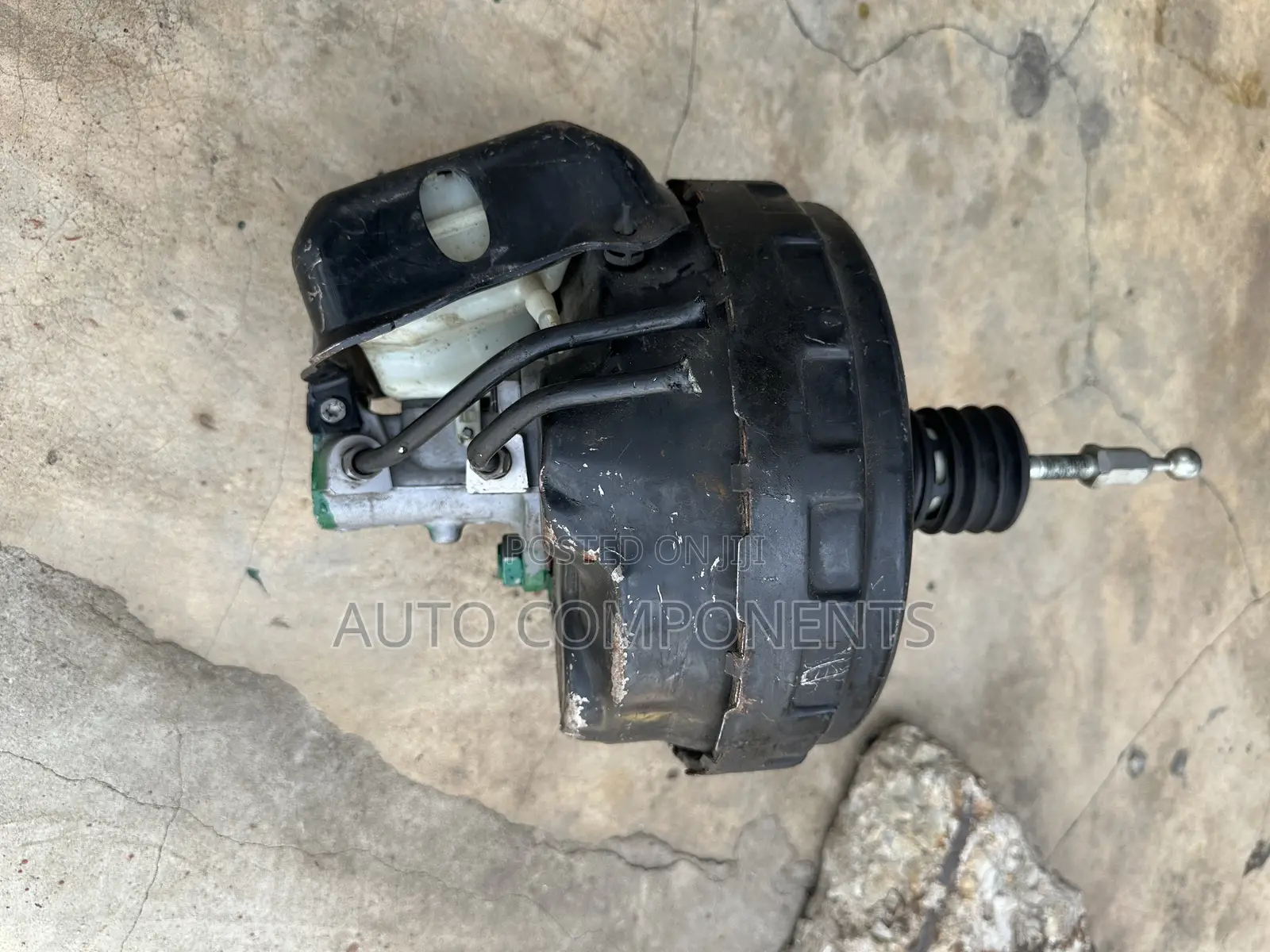
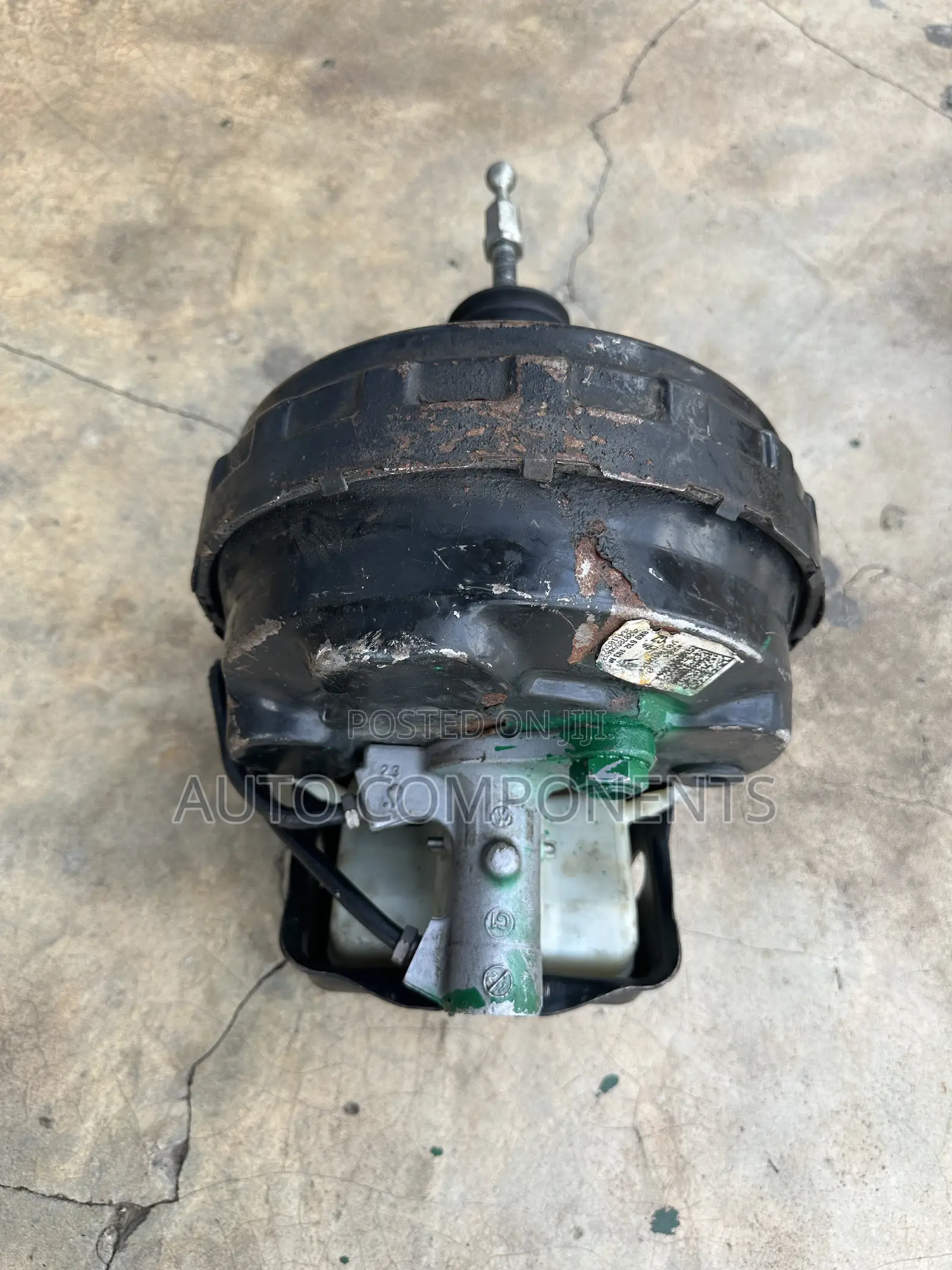
Vw Passat Brake Pot ( Master Cylinder )
Used
Condition
Volkswagen
Make
Passat
Model
Brakes, Suspension & Steering
Type
Brake Master Cylinders, Boosters & Components
Subtype
MAIN FUNCTIONS:
1. Generates Hydraulic Pressure – Converts the force from the brake pedal into hydraulic pressure.
2. Distributes Brake Fluid – Sends pressurized brake fluid to the brake lines and wheel brakes.
3. Controls Braking Force – Ensures the correct amount of pressure reaches the braking system for effective stopping.
4. Maintains Brake Fluid Supply
5. Supports Dual-Circuit Safety – In most modern vehicles, it operates two separate brake circuits so partial braking remains available if one circuit fails.
WHY IT MUST BE REPLACED?
1. Internal seal wear causing brake fluid leakage.
2 Reduced braking performance or a soft/spongy brake pedal.
3 Internal corrosion or contamination.
4 Complete brake failure risk if the master cylinder becomes defective.
NOTE: The master cylinder is the heart of the hydraulic braking system.
Safety tips
- Avoid sending any prepayments
- Meet with the seller at a safe public place
- Inspect what you're going to buy to make sure it's what you need
- Check all the docs and only pay if you're satisfied


