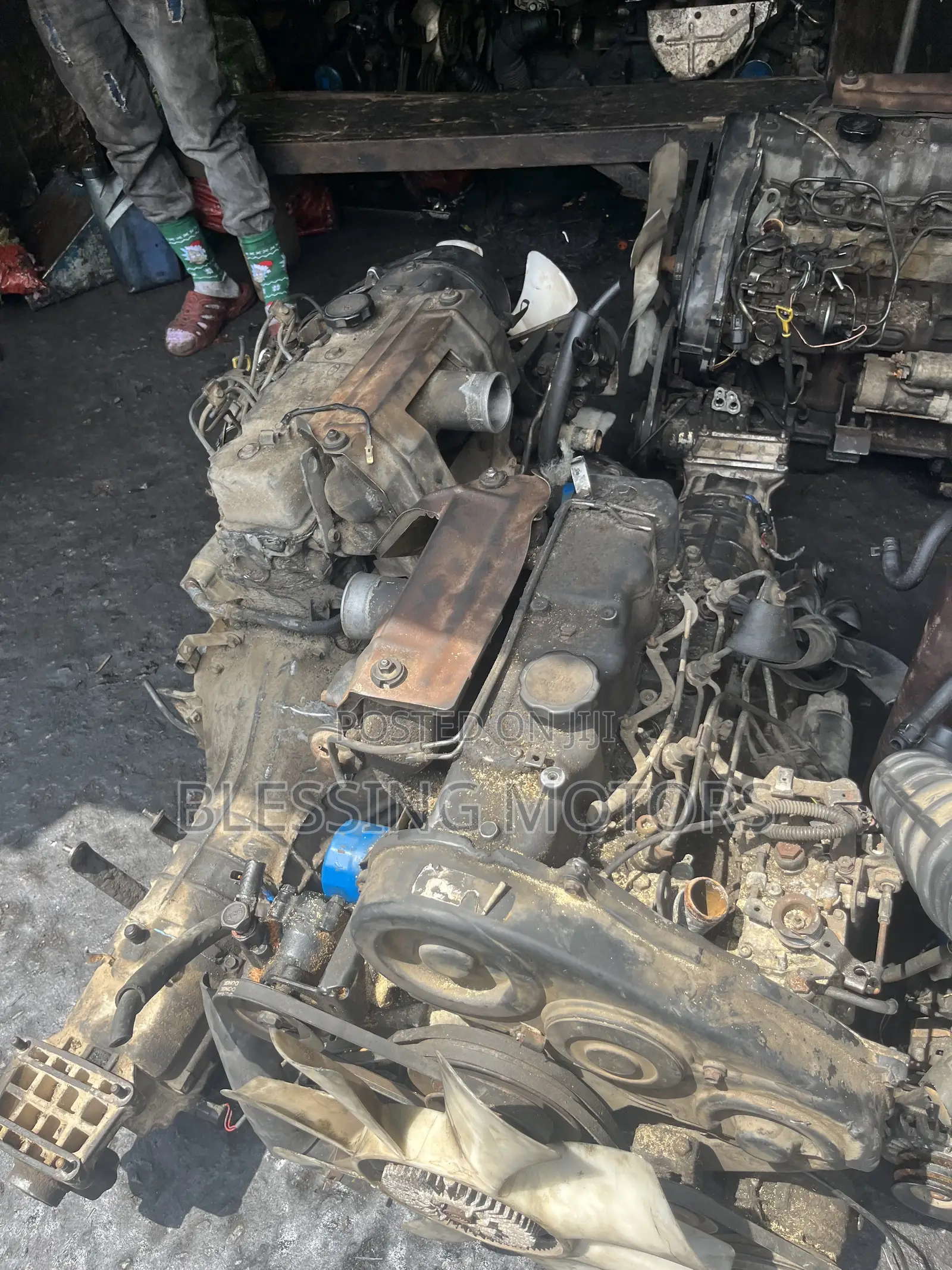
1/5
Promoted
Greater Accra, Abossey Okai, 1 hour ago
4 views
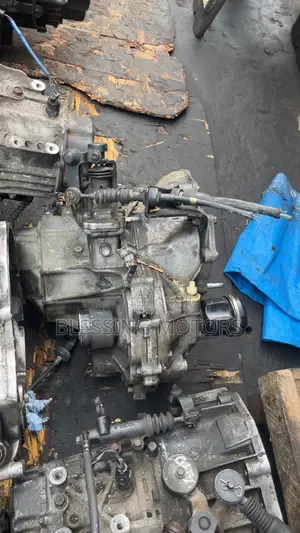
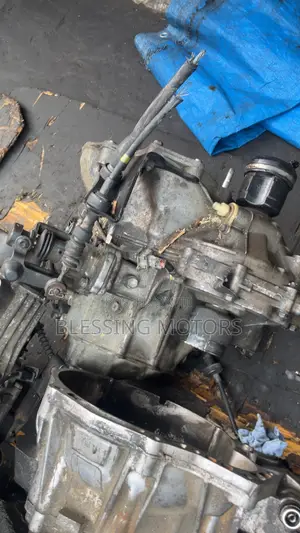
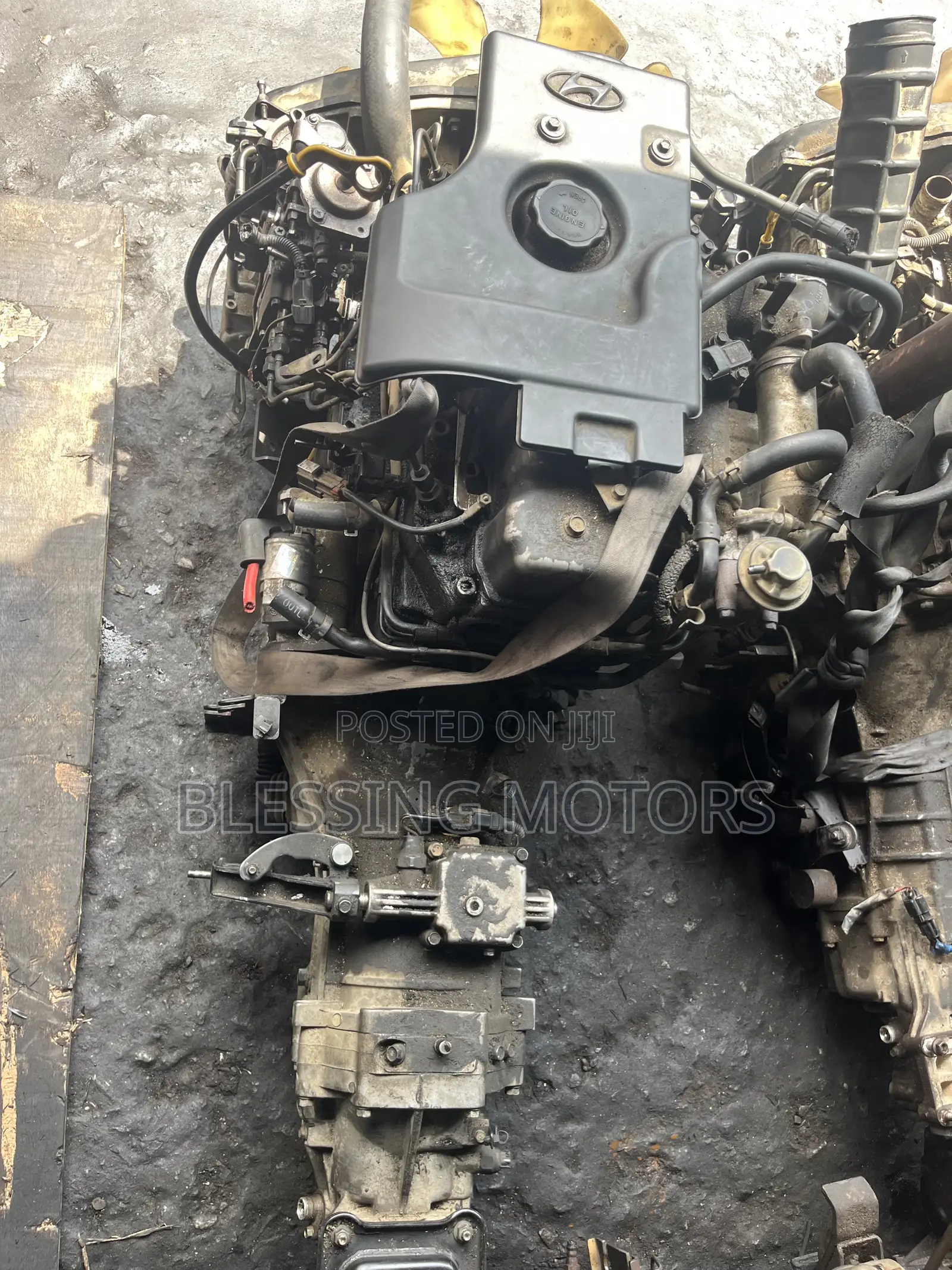
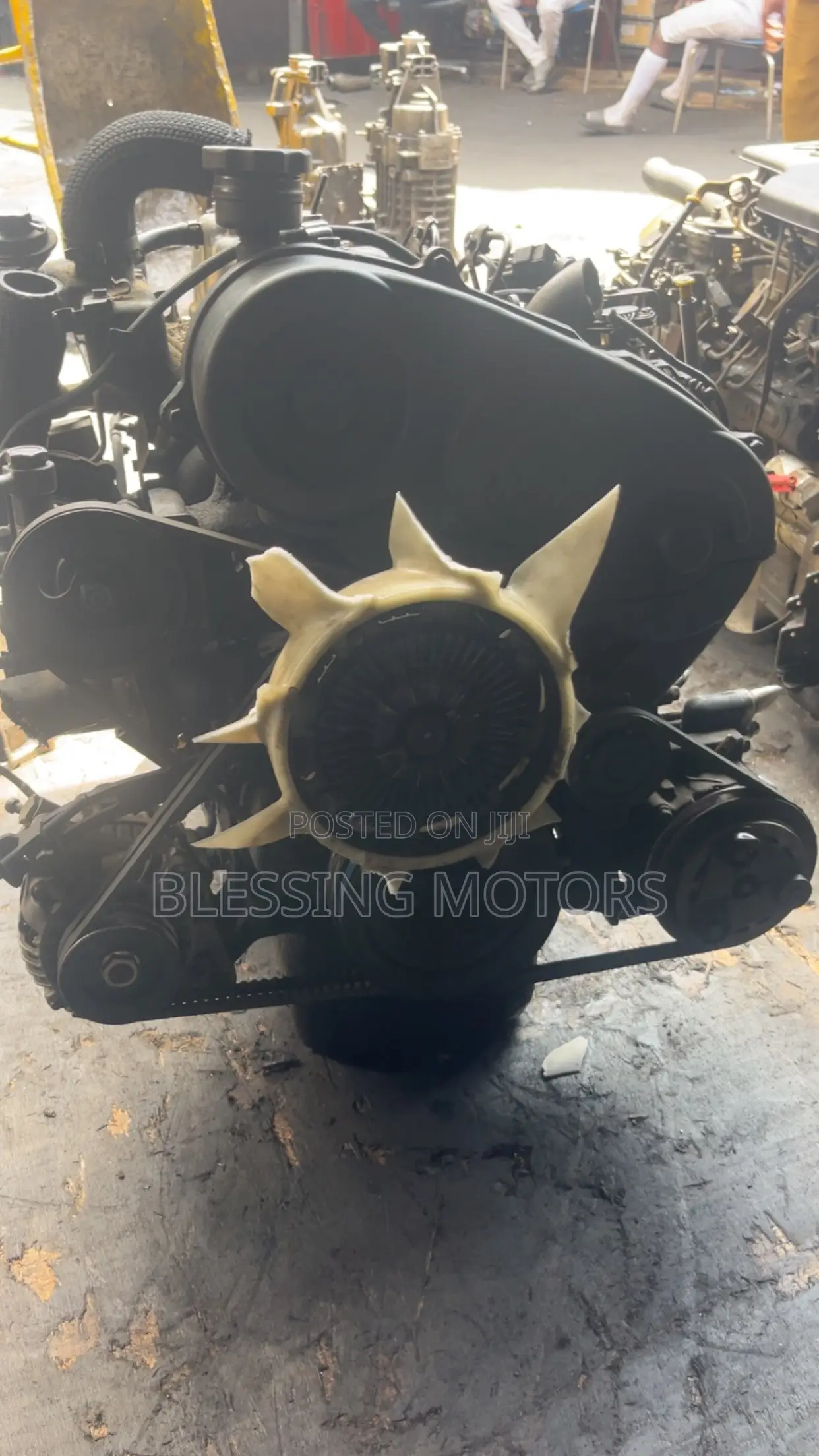
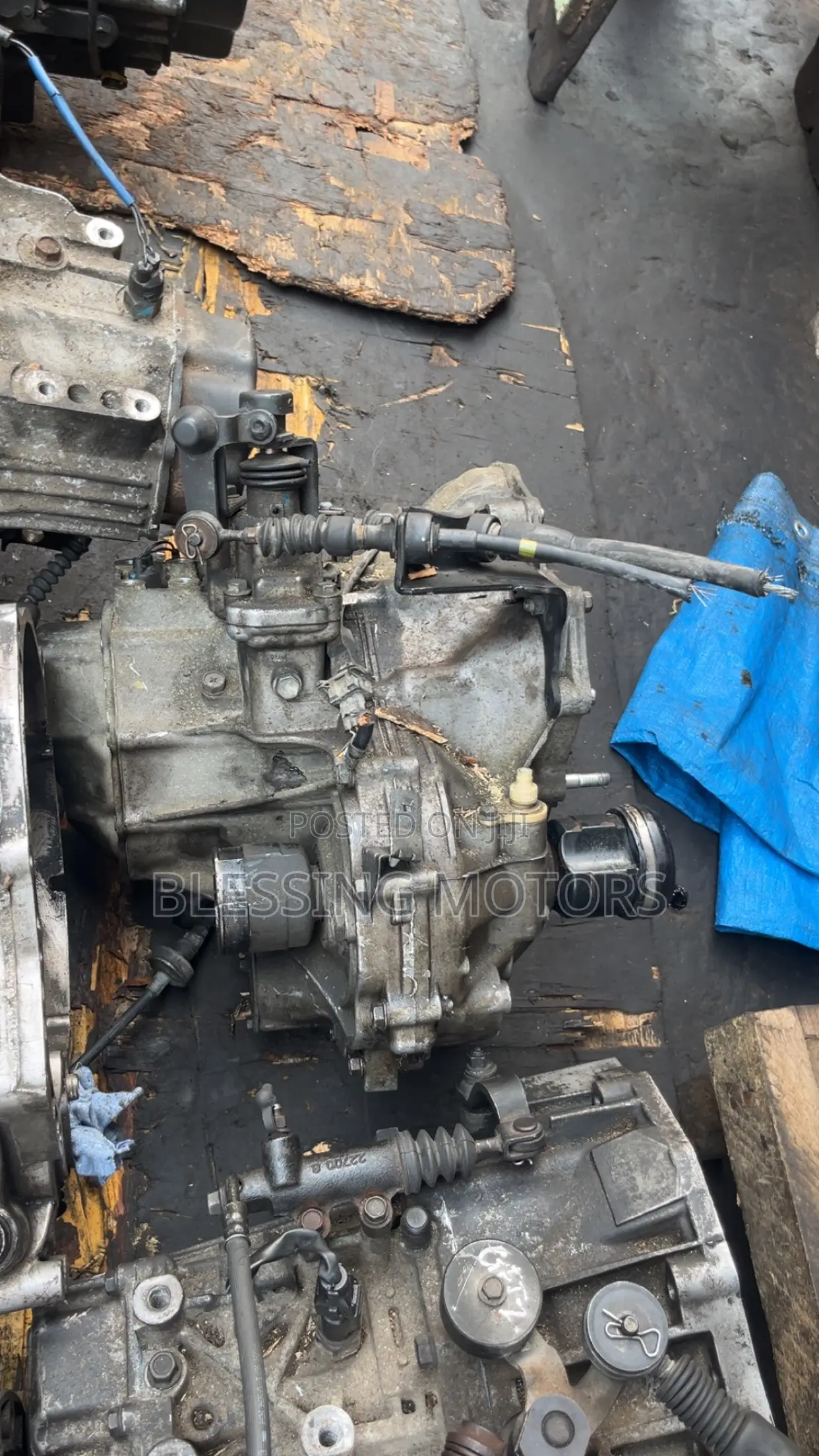
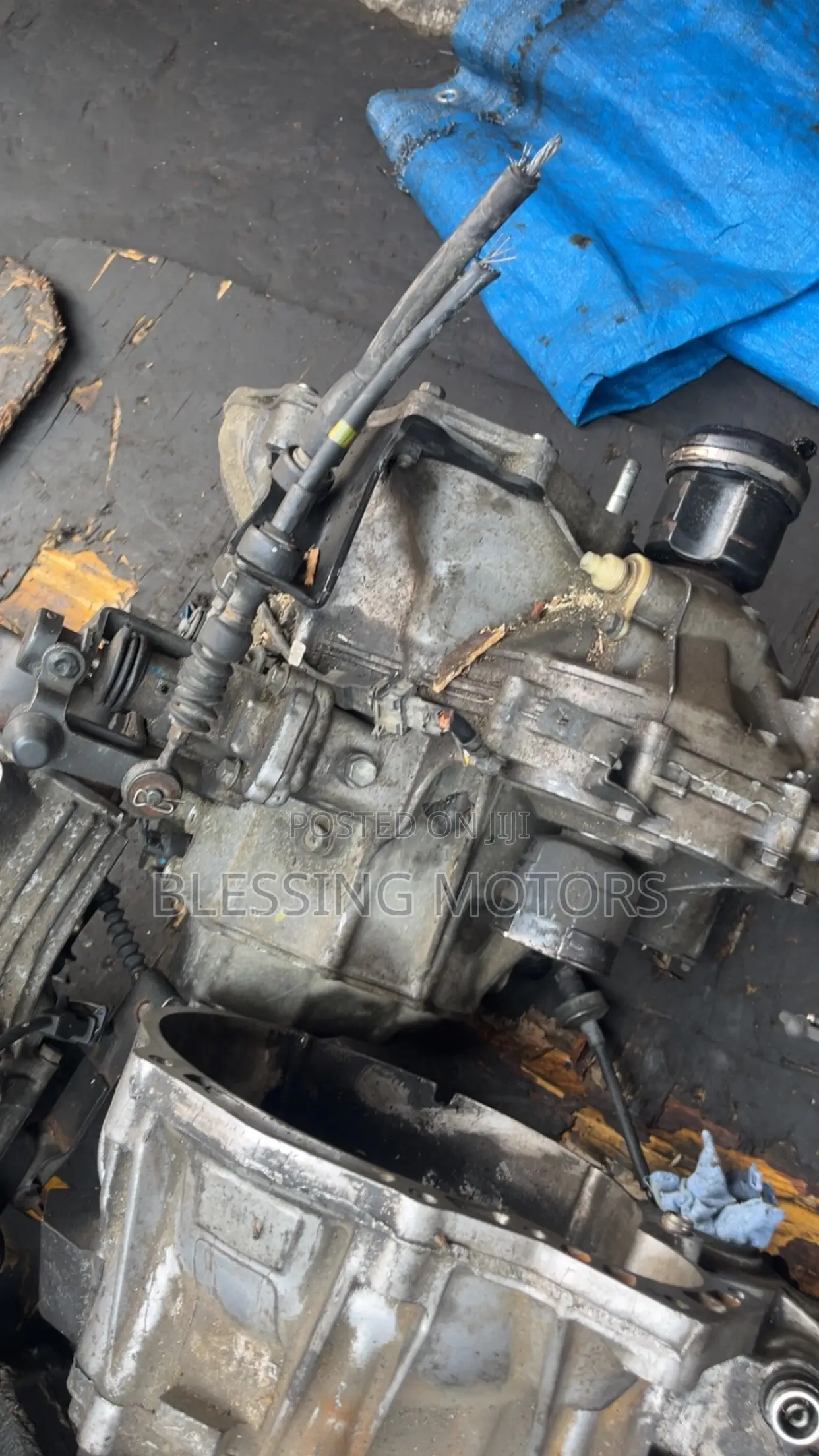
Hyundai H 100 Completed Engine
Used
Condition
Hyundai
Compatible Make
H1
Compatible Model
Engine & Drivetrain
Type
Complete Engines
Engine and Drivetrain Subtype
Delivery
Greater Accra • Abossey Okai
1-2 days
GH₵ 100 - 150
Greater Accra • Abossey Okai
1 day
GH₵ 50 - 100
Store address
Greater Accra • Abossey Okai
Near pamprom traffic 🚦 light
Blessing1motors
Closed now
• Mon - Sat, 07:05-18:00
Greater Accra • Abossey Okai
Near goil felling station
Blessing 1 motor
Closed now
• Mon - Sun, 07:00-18:00
Greater Accra • Abossey Okai
Odasani Accra
In the building with police q
Closed now
• Mon - Sat, 05:30-16:00
A car engine converts chemical energy from fuel into mechanical force to propel the vehicle.Main Function
Energy Conversion: It burns an air-fuel mixture inside cylinders to transform chemical energy into heat, pressure, and kinetic energy.
• Motion Generation: It changes the up-and-down (reciprocating) motion of pistons into rotational motion at the crankshaft, which then turns the car's wheels via the transmission.
How the Four-Stroke Cycle Works
Most car engines operate on a four-step (Otto) cycle:
1. Intake: The intake valve opens as the piston moves down, drawing an air-fuel mixture into the cylinder.
2. Compression: The valves close and the piston moves up, compressing the air-fuel mixture into a high-pressure state.
3. Power (Combustion): A spark plug ignites the compressed mixture (or heat and compression ignite.

Safety tips
- Avoid sending any prepayments
- Meet with the seller at a safe public place
- Inspect what you're going to buy to make sure it's what you need
- Check all the docs and only pay if you're satisfied