Enterprise
1/5
Promoted
Greater Accra, Ablekuma, 2 hours ago
24 views
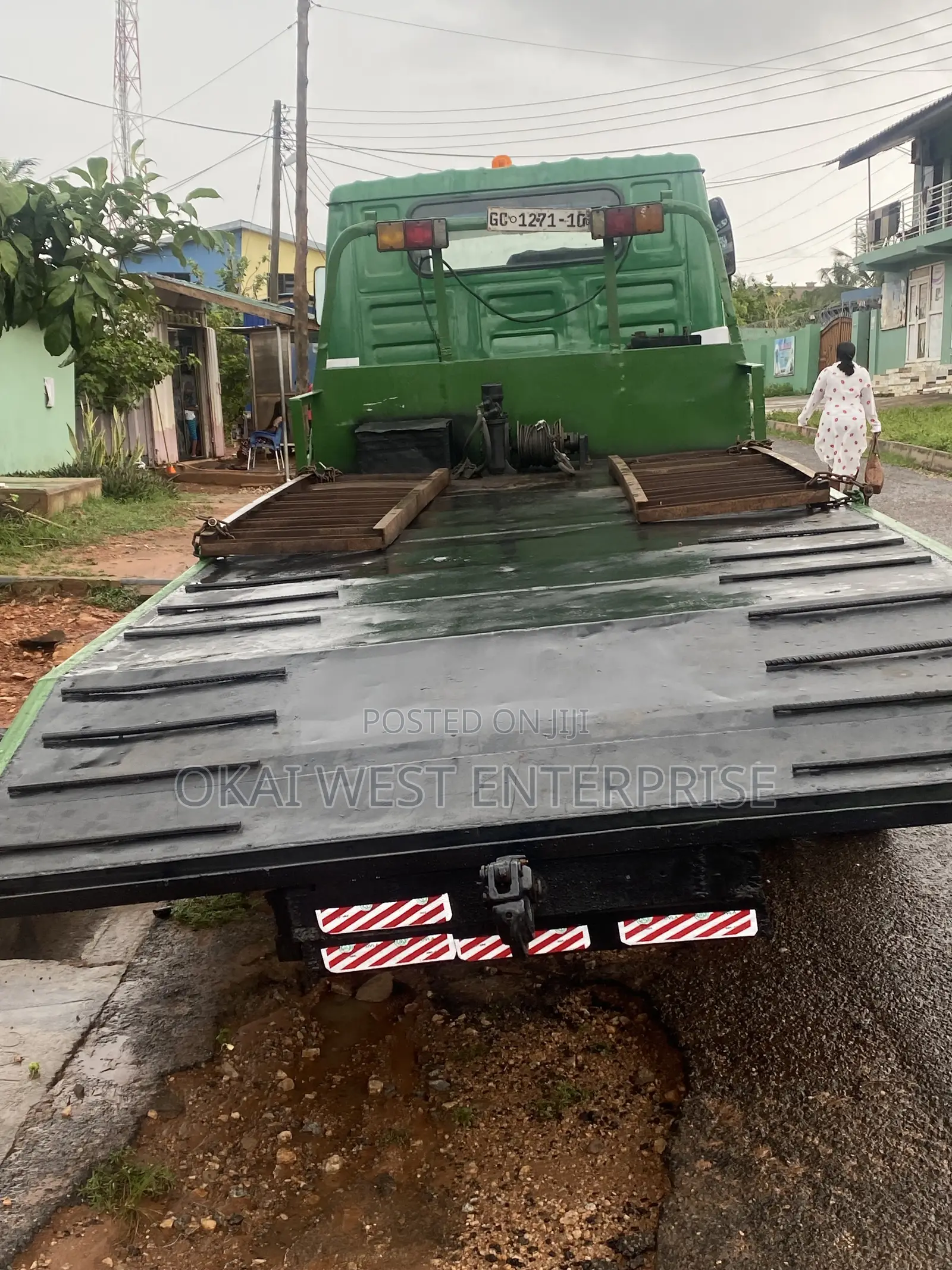
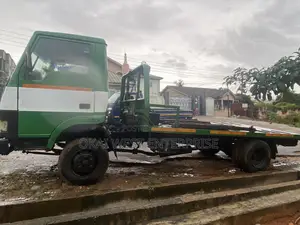
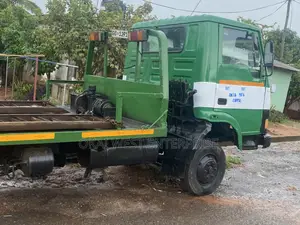
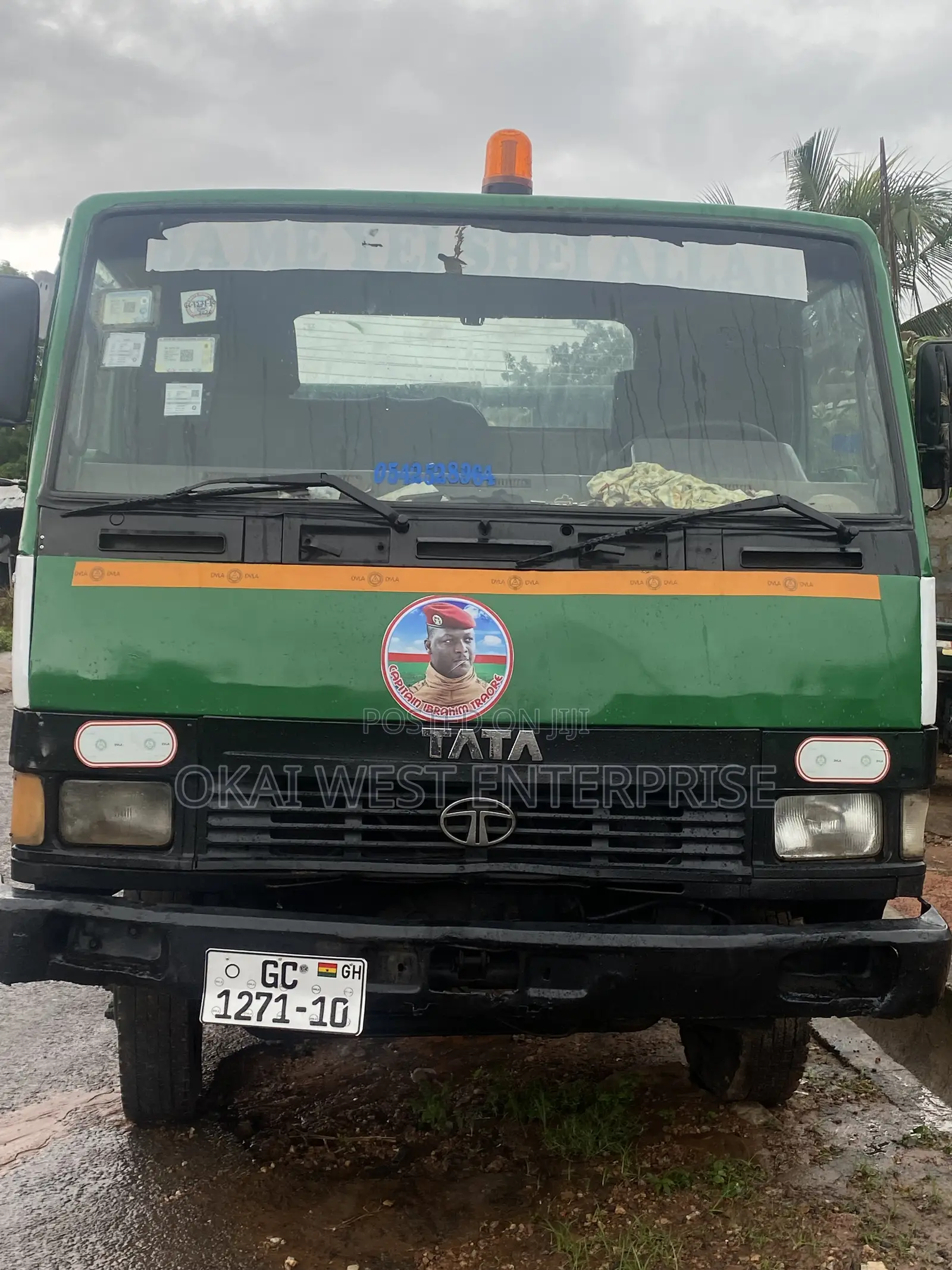
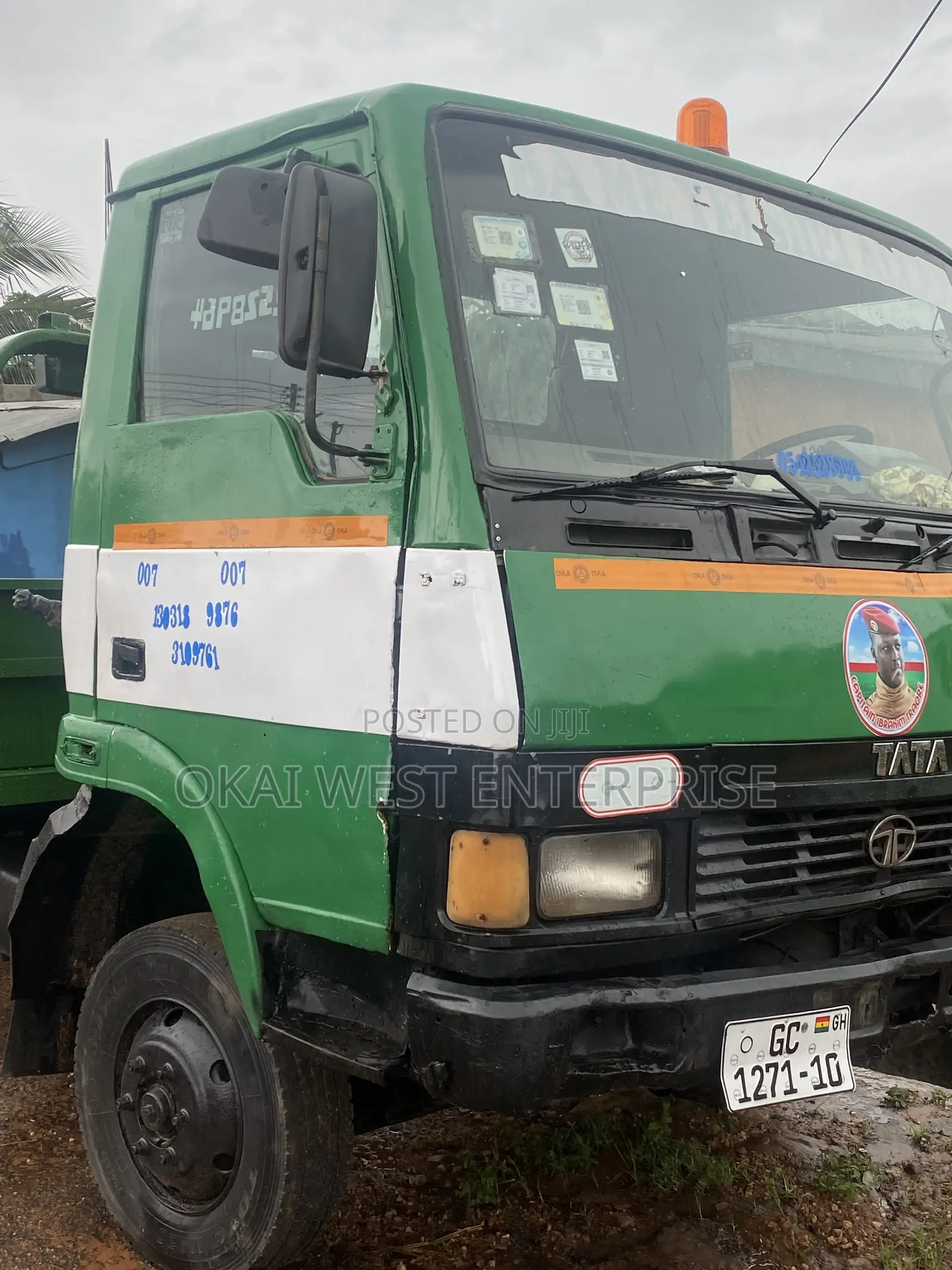
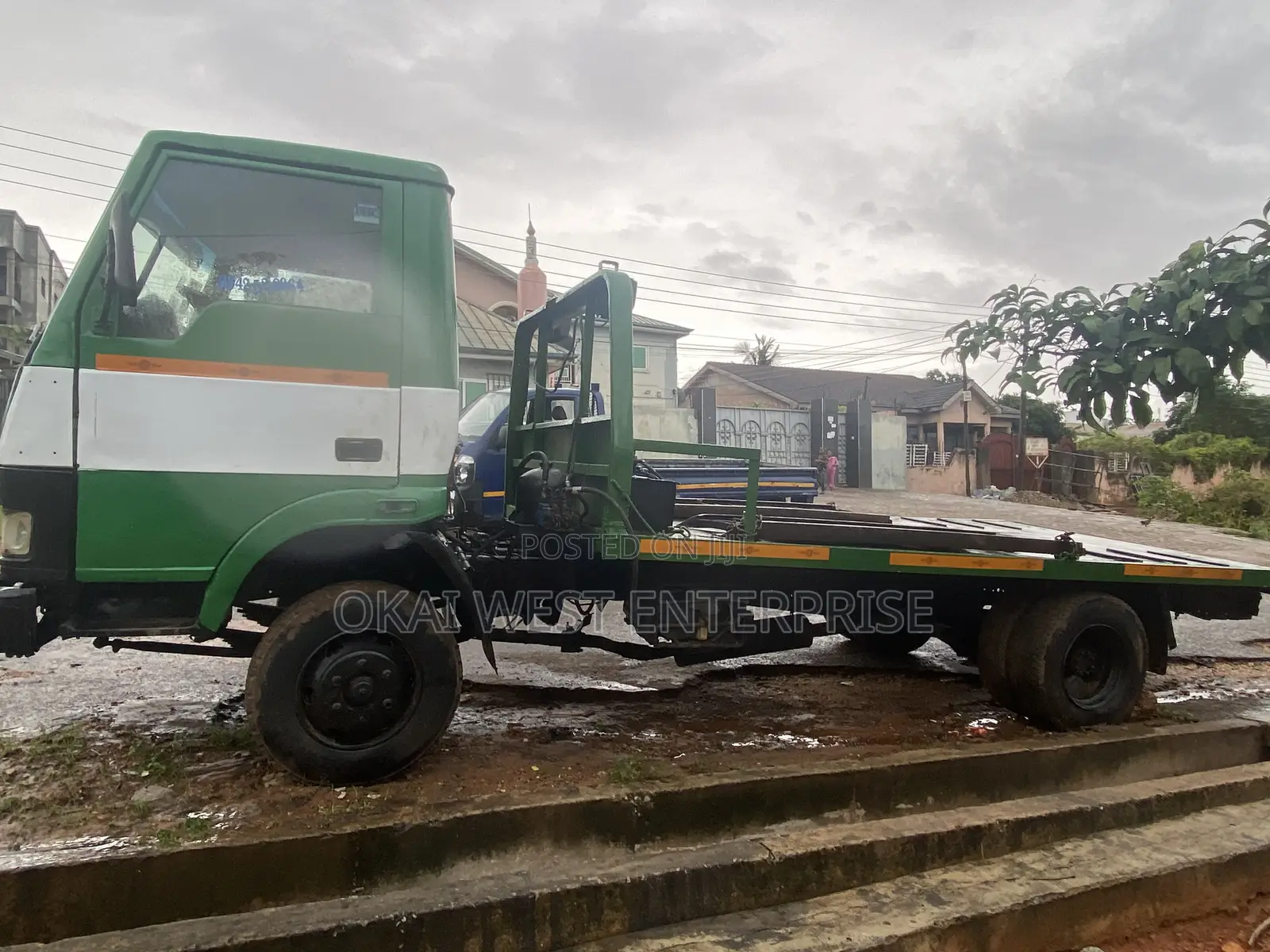
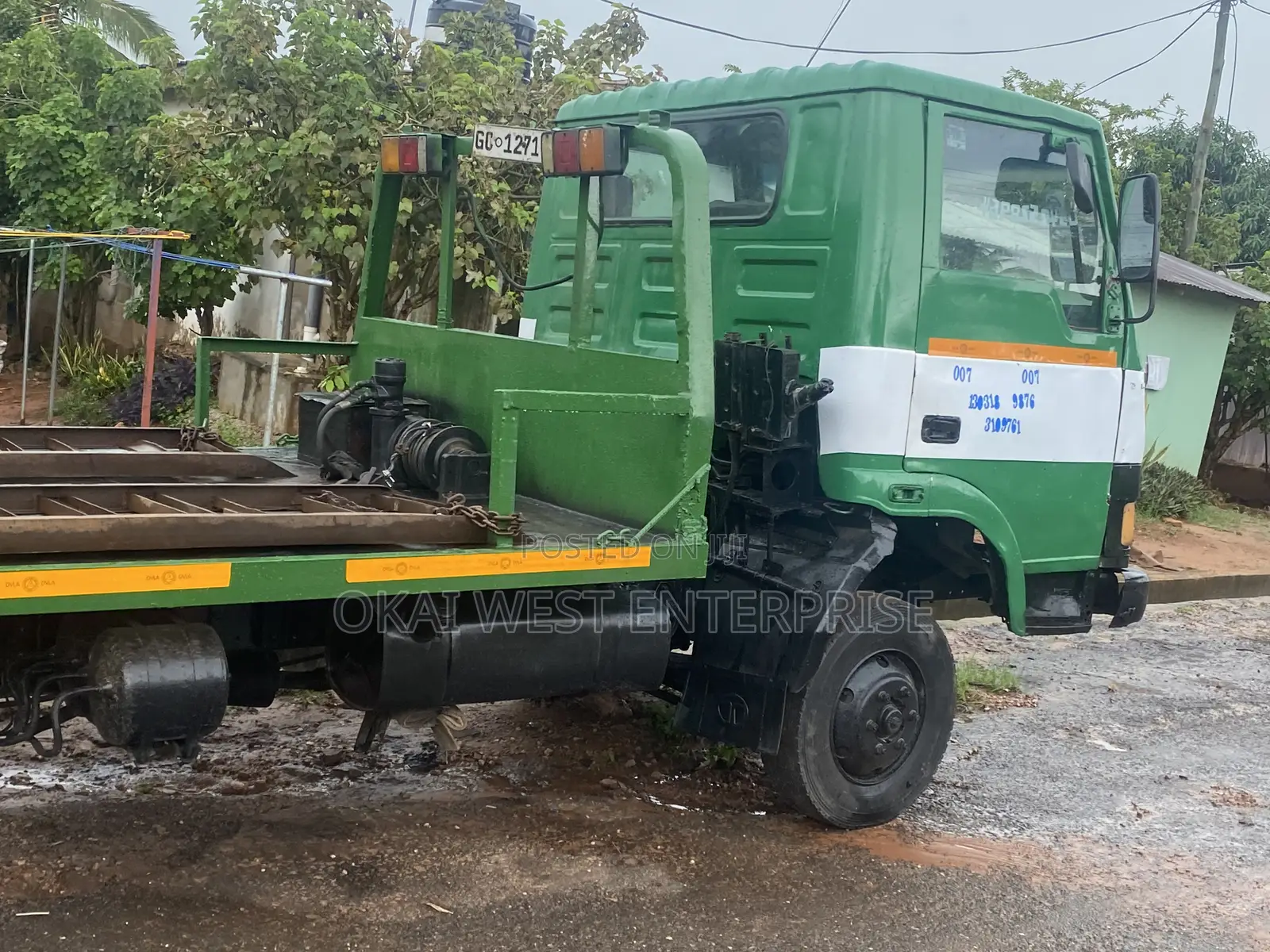
Towing Car Service
Job Type
Full-Time
Responsibilities
1. Safe and Secure Vehicle Handling
The primary responsibility is to safely hook up, lift, and transport a vehicle without causing additional damage. This includes properly securing the vehicle with straps or chains, checking for loose parts, and safely navigating traffic while obeying all road laws. They must also handle the vehicle’s transmission and drivetrain correctly (e.g., lifting all drive wheels for an all-wheel-drive car).
2. Professional Customer Service and Scene Management
A towing driver must act calmly and professionally, especially in stressful situations like accidents or breakdowns. This includes clearly explaining the process and fees to the customer, coordinating with police or roadside assistance, and ensuring the scene is safe. They also have a legal responsibility to document any pre-existing damage to the vehicle before towing it.
Requirements & Skills
Equally critical are the soft skills and physical resilience required for the role. Tow drivers provide customer service to people in distress, needing calm de-escalation skills and clear communication regarding billing. The job demands extreme physical fitness to work in all weather conditions and the mental fortitude to handle a 24/7 schedule, including late-night accident scenes. Ultimately, the most important "unwritten" skill is situational decision-making: a professional driver must know when to refuse a job due to safety risks like excessive weight, dangerous traffic, or unstable ground, prioritizing the safety of themselves, the public, and the vehicle over the potential payout.
Minimum Qualification Requirements
Becoming a professional tow truck driver requires meeting strict, non-negotiable legal prerequisites. You must obtain a Commercial Driver’s License (Class A for heavy-duty work), maintain a clean driving record, pass a DOT medical exam, and often secure a state-specific towing endorsement. These are coupled with mandatory background checks and drug screenings. Beyond licensing, the technical demands are high: operators must master equipment like wheel-lifts and flatbeds, understand vehicle anatomy to prevent drivetrain damage, and possess recovery skills for winching or handling overturned vehicles, all while adhering to strict highway safety protocols.
Minimum Experience
more than 5 years
Store address
Greater Accra • Ablekuma
Galilee House Event Centre, Ablekuma-Fanmilk
After Fanmilk Junction
Closed
• Mon - Sun, 08:00-18:30
We help in towing cars either from the port or with faulty cars
GH₵ 1,000 - 1,500
Safety tips
- Don't pay fees for applying/interviewing
- Avoid going for an interview at an unofficial office address
- Do your research and check info about the company
- Never disclose personal info before you get a job offer